
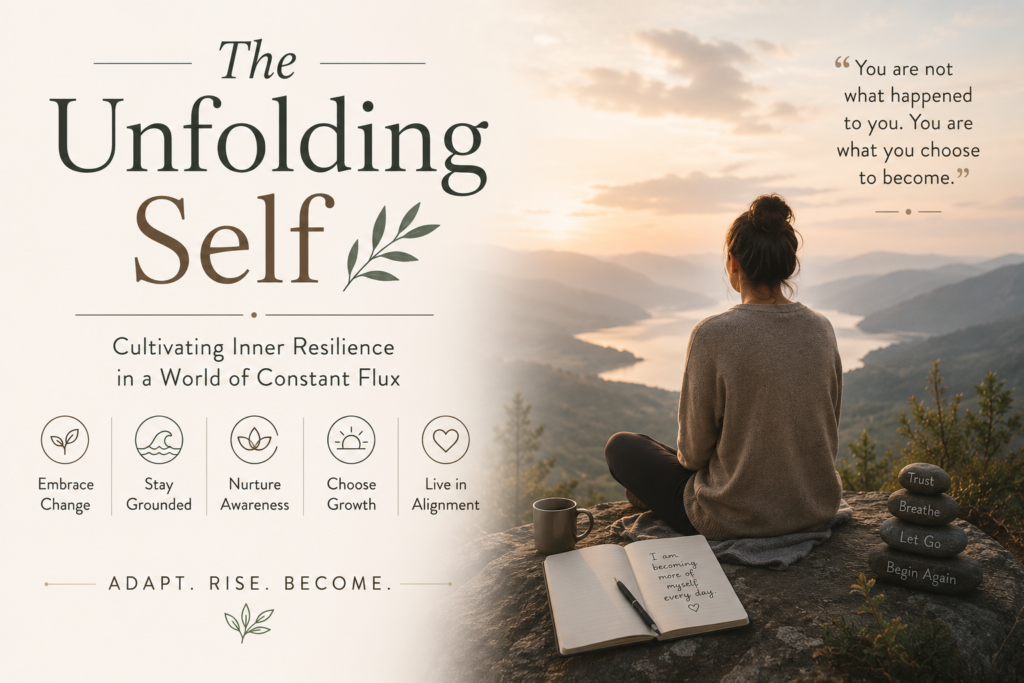
I remember the days when I felt like a leaf in the wind, tossed this way and that by every passing emotion, every external pressure. The feeling of being constantly at the mercy of my circumstances was exhausting.
I craved a sense of groundedness, a deep inner stability that wouldn’t crumble with the next challenge. This wasn’t about achieving some perfect state of happiness; it was about learning to navigate the storms of life with a steady compass within.
This journey of self-growth, this quest for inner resilience, isn’t a destination. It’s a continuous unfolding, a process of shedding layers and revealing the core of who we are. It’s a journey filled with stumbles, setbacks, and moments of doubt. And that’s okay. It’s in those moments that the true work of growth begins.
Why Self-Growth Feels Like Climbing a Mountain in Fog
One of the most frustrating aspects of self-growth is its invisibility. Unlike physical achievements, the progress we make internally is often subtle and difficult to quantify.
We can’t always see the changes in ourselves in the same way we see the results of a diet or a new skill we’ve learned. It’s like climbing a mountain in the fog; we know we’re moving upwards, but the summit remains obscured.
This lack of immediate feedback can lead to discouragement. We might question whether we’re truly changing, if our efforts are worthwhile. We might even fall back on old, comfortable patterns, even if those patterns no longer serve us.
This is where patience becomes our most valuable companion. True growth takes time, and the most significant shifts often happen beneath the surface.
Another reason self-growth feels challenging is because it often requires us to confront uncomfortable truths about ourselves. It means looking at our flaws, our insecurities, and the limiting beliefs we’ve carried for years.
It’s much easier to avoid these inner shadows, to distract ourselves with external pursuits, but lasting change requires facing them head-on. This is where courage comes in, the courage to be honest with ourselves and to acknowledge the areas where we need to grow.
The Building Blocks of Inner Resilience
So, how do we build this inner resilience, this unwavering sense of self amidst the chaos? It’s not about finding a magic bullet or a quick fix. It’s about cultivating a set of core practices that, over time, strengthen our inner foundations.
1. Cultivating Self-Awareness: The Foundation
Self-awareness is the bedrock of all self-growth. It’s the ability to observe our thoughts, feelings, and behaviors without judgment. It’s about noticing the patterns in our lives, the triggers that set us off, and the beliefs that shape our actions. Without self-
awareness, we’re like ships without a rudder, tossed about by the currents of life. Practicing mindfulness, journaling, and seeking feedback from trusted friends are all excellent ways to enhance self-awareness.
2. Emotional Regulation: The Art of Weathering the Storms
Emotional regulation isn’t about suppressing our emotions; it’s about learning to understand and manage them effectively. It’s about recognizing when we’re triggered, taking a breath, and choosing a response instead of reacting impulsively.
This involves developing healthy coping mechanisms, such as exercise, spending time in nature, or connecting with loved ones. It also means challenging negative thought patterns and developing a more compassionate inner dialogue.
3. Defining and Upholding Personal Boundaries: The Shield
Boundaries are the invisible lines we draw to protect our energy and well-being. They’re about saying “no” when we need to, prioritizing
our needs, and refusing to tolerate disrespect or manipulation. Setting boundaries can be challenging, especially for those who struggle with people-pleasing or fear conflict. But it’s essential for our emotional health and for maintaining healthy relationships. Start small, by setting one boundary at a time, and gradually build your capacity to protect your space.
4. Developing Self-Compassion: The Balm
Self-compassion is about treating ourselves with the same kindness, understanding, and care we would offer to a dear friend. It’s about recognizing that we’re all imperfect, that we all make mistakes, and that we deserve to be treated with gentleness and understanding, especially during challenging times. Self-compassion is not about self-pity or excusing our behavior.
It’s about acknowledging our suffering and offering ourselves comfort and support. This is a game-changer. It allows you to recover faster.
5. Cultivating a Growth Mindset: The Gardener
A growth mindset is the belief that our abilities and intelligence are not fixed but can be developed through effort, learning, and perseverance. It’s about embracing challenges, viewing setbacks as opportunities for growth, and celebrating the efforts of others.
This contrasts with a fixed mindset, which assumes that abilities are innate and that we’re either good at something or we’re not. Cultivating a growth mindset is essential for long-term self-growth because it encourages us to embrace challenges and to view mistakes as valuable learning experiences.
Common Self-Improvement Pitfalls to Avoid
The path of self-growth is often littered with obstacles, and it’s easy to stumble along the way. Recognizing and avoiding common pitfalls can help you stay on track and make steady progress.
1. The Trap of Perfectionism
Perfectionism is a silent killer of self-growth. It sets unrealistic standards, fuels self-criticism, and leads to procrastination and burnout. Instead of striving for perfection, aim for progress.
Embrace imperfection as an inevitable part of the process, and focus on learning and growing from your experiences. Remember, done is better than perfect.
2. The Illusion of Overnight Change
The media often portrays self-improvement as a quick fix, a dramatic transformation that happens overnight. This is rarely the case. True change takes time, effort, and consistency.
Be patient with yourself, celebrate small victories, and focus on making gradual, sustainable changes. This is where real growth, real transformation, occurs.
3. The Dependence on Motivation
Motivation is a fickle friend. It ebbs and flows, and it can’t be relied upon. Instead of waiting for motivation to strike, cultivate discipline and build habits. Even when you don’t feel motivated, show up and do the work. Consistency is the key to long-term success. Make it a habit. Don’t be a slave to your feelings.
4. The Comparison Game
Social media and other platforms often encourage us to compare ourselves to others, leading to feelings of inadequacy and envy. Remember that everyone’s journey is unique, and comparing yourself to others is a recipe for unhappiness. Focus on your own progress, celebrate your own achievements, and resist the urge to compare yourself to others. Comparison is the thief of joy.
The Long-Term Impact: Beyond the Surface
The benefits of cultivating inner resilience extend far beyond simply feeling better in the moment. The impact is profound, shaping our lives in countless ways.
1. Increased Peace and Calm
As we develop emotional regulation skills and learn to navigate our inner landscape, we experience a greater sense of peace and calm. We become less reactive to external stressors and more resilient in the face of adversity. This inner peace radiates outwards, influencing our relationships, our work, and our overall quality of life.
2. Enhanced Confidence and Self-Worth
As we overcome challenges, set and achieve goals, and build a strong sense of self-awareness, our confidence grows. We begin to trust ourselves more, to believe in our ability to navigate the complexities of life. This confidence translates into greater self-worth, a deep-seated belief in our inherent value, regardless of external circumstances.
3. Improved Decision-Making
When we’re anchored by inner resilience, we’re better equipped to make sound decisions. We’re less likely to be swayed by external pressures or emotional impulses. We can think more clearly, assess situations more objectively, and make choices that align with our values and long-term goals. This can positively affect your career. Breaking Free: How to Build a Career That Actually Lasts (And Doesn’t Burn You Out)
4. More Meaningful Relationships
As we grow internally, our relationships also deepen. We become more present, more empathetic, and more capable of navigating conflict constructively. We’re able to set healthy boundaries, communicate our needs effectively, and build relationships based on mutual respect and understanding. You develop a level of understanding that translates into all parts of your life, including your relationships.
5. Greater Fulfillment and Purpose
When we cultivate inner resilience, we move closer to living a life that aligns with our values and our deepest aspirations. We’re less afraid to take risks, to pursue our passions, and to create a life that is both meaningful and fulfilling. You begin to understand what truly matters.
The Future of Emotional Intelligence and Inner Maturity
In the coming years, emotional intelligence and inner maturity will become even more critical. In a world of constant digital distraction, rapid technological advancements, and increasing societal pressures, the ability to regulate our emotions, build resilience, and connect with ourselves and others will be invaluable.
We can expect to see a growing emphasis on mindfulness practices, mental health awareness, and the development of emotional intelligence in educational and professional settings. The ability to navigate complexity, adapt to change, and build authentic connections will be essential skills for success and well-being. It is what will make you last in this ever changing world. Guidebloom has more information Guidebloom.
FAQ: Your Burning Questions About Inner Growth
Here are some of the most common questions people have about self-growth, answered with a dose of real-world wisdom:
1. How do I start when I feel completely lost and overwhelmed?
Start small. Choose one area you want to focus on – maybe it’s mindfulness, setting boundaries, or practicing self-compassion. Take one small step each day, even if it’s just five minutes of meditation or writing down one thing you’re grateful for. The key is consistency.
2. How can I stop overthinking and quiet my inner critic?
Recognize that your thoughts are just thoughts, not necessarily facts. Practice mindfulness to become aware of your thought patterns without getting carried away by them. Challenge negative thoughts with evidence and replace them with more balanced, compassionate ones. Self-compassion is your best friend here.
3. How do I deal with difficult people and protect my energy?
Set clear boundaries. Communicate your needs assertively but kindly. Limit your exposure to people who drain your energy. Remember, you can’t control other people’s behavior, but you can control how you react to it. Sometimes the best response is no response at all.
4. How do I stay motivated when I feel like giving up?
Focus on building habits and routines rather than relying on motivation. Break down your goals into smaller, more manageable steps. Celebrate your progress, no matter how small. And remember that setbacks are a normal part of the process. Learn from them and keep moving forward.
5. How do I build self-confidence when I constantly doubt myself?
Start by identifying your strengths and accomplishments, no matter how small. Practice self-compassion and treat yourself with kindness and understanding. Challenge negative self-talk and replace it with positive affirmations. Take small risks and celebrate your successes. Each step is a win.
6. What if I’m afraid of facing my inner demons?
It’s okay to feel afraid. Acknowledge your fear, but don’t let it paralyze you. Start slowly, perhaps with journaling or talking to a trusted friend or therapist. Seek professional help if needed. Remember, facing your demons is the path to healing and growth.
7. How do I forgive myself for past mistakes?
Acknowledge your mistakes without judgment. Learn from them. Practice self-compassion and recognize that everyone makes mistakes. Remind yourself that you’re human and that forgiveness is a gift you give yourself. Write about it. Talk about it.
8. Is it possible to change?
Yes, absolutely. Change is always possible. It takes effort, patience, and a willingness to step outside your comfort zone, but it’s absolutely within your reach. Focus on making small, consistent changes, and celebrate your progress along the way. You can do this.