
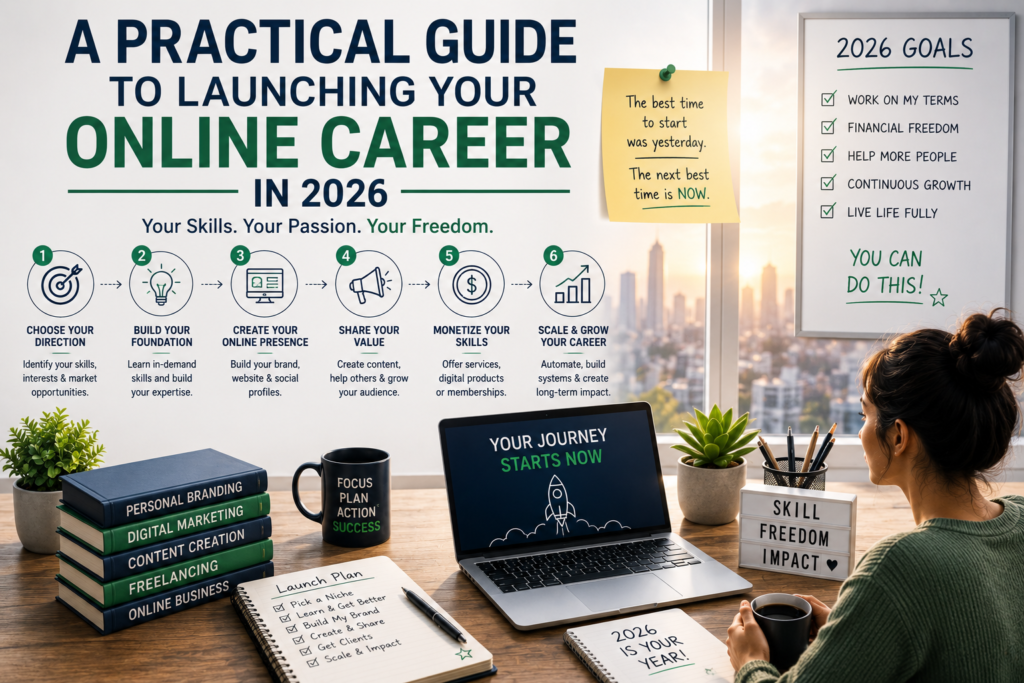
So, you’re thinking about taking the plunge into the freelance world? Maybe you’re tired of the 9-to-5 grind, or perhaps you’re just looking for more freedom and control over your work. Whatever the reason you’ve come to the right place. I’ve been there, done that, and bought the t-shirt (actually, I designed my own freelancer t-shirt!). This guide is based on real-world experience, the mistakes I made, and the lessons I learned the hard way. Forget the quick-fix promises; we’re going for a sustainable freelance career that actually works.
The Real Deal About Freelancing
Before we dive into the “how,” let’s be brutally honest about freelancing. It’s not always sunshine and rainbows. You’re your own boss, which is fantastic, but it also means you’re responsible for everything. Finding clients, managing your finances, marketing yourself – it all falls on your shoulders.
One of the biggest misconceptions is that you’ll be swimming in cash from day one. In reality, it takes time to build a solid client base and establish your reputation. You’ll likely experience periods of feast and famine. There will be times when you’re overwhelmed with work and others when you’re staring at an empty calendar. This is normal. The key is to prepare for it and have a plan.
Another myth? That you can just quit your job on Monday and be a successful freelancer by Tuesday. The transition needs to be strategic. It’s usually best to start freelancing on the side while you’re still employed. This allows you to build a portfolio, test the waters, and get a feel for the market before you take the leap. Trust me, having a financial cushion makes a massive difference when you’re starting out.
Step 1: Identify Your Zone of Genius (and What People Actually Pay For)
This is where most people get tripped up. They assume they can freelance on anything. While passion is important, it needs to align with what clients *need* and are willing to pay for. Don’t get me wrong, following your passion is important, but if you want to make a living, you need to understand the market first.
So, how do you find your niche?
- List Your Skills: What are you good at? What comes easily to you? Make a comprehensive list, even the seemingly small things.
- Research the Market: What services are in demand right now? What are businesses struggling with? Look at job boards like Upwork, Fiverr, and LinkedIn. Search for freelance opportunities and see what skills are being requested.
- Combine Your Skills with Market Needs: This is the sweet spot. Can you combine your existing skills with something the market is screaming for? For example, if you’re good at writing and the market needs more content for AI tools, you could specialize in AI-powered content creation.
- Consider Your “Minimum Viable Service”: What’s the smallest, most focused service you can offer that provides value to clients and gives them a quick win?
A Real-Life Example: When I started, I thought I’d be a general writer. Turns out, the market was saturated. After some research, I realized there was a growing demand for website copywriters who understood SEO (Search Engine Optimization) and conversions. I focused on that, and my income tripled in a few months.
Step 2: Build Your Freelance Toolkit
You wouldn’t start a construction project without tools, right? Freelancing is the same. You need the right tools to get the job done efficiently. The good news is, many of them are free or low-cost.
Essential Tools:
- Laptop/Computer: Pretty obvious, but make sure it’s reliable.
- Reliable Internet Connection: Critical for communication and delivering work.
- Communication Tools: Email (Gmail, Outlook), and a project management tool (Asana, Trello).
- Project Management Software: Get organized from the start, I always recommend Asana, as it is easy to learn and use.
- Writing/Design Tools: Depends on your niche, but consider Google Workspace, or Canva.
- Payment Processing: PayPal, Stripe, or Wise (formerly TransferWise) for getting paid.
- Website/Portfolio: Even a simple website showcasing your work goes a long way. Use a platform like WordPress or even a free website builder.
Mistake to Avoid: Don’t overspend on tools when you’re starting. Free or low-cost options are usually sufficient. You can always upgrade as your business grows.
Step 3: Crafting Your Killer Freelance Profile
Your profile is your digital storefront. It’s how potential clients will find you and decide if you’re the right fit. It needs to be polished, professional, and targeted to the services you offer.
Key Elements of a Great Profile:
- A Strong Headline: This is the first thing people see. Instead of a generic title like “Freelance Writer,” use something like “SEO-Driven Content Creator for SaaS Companies.”
- A Compelling Summary: This is where you sell yourself. Highlight your experience, skills, and the value you bring to clients. Use a conversational tone and focus on the benefits, not just the features of your services.
- Portfolio: Showcase your best work. Include examples of past projects, case studies, or testimonials from satisfied clients. If you’re just starting, create sample projects or offer your services at a reduced rate to build your portfolio.
- Professional Photo: Use a clear, friendly headshot.
- Clear Pricing: Be transparent about your rates. You can offer hourly rates, project-based pricing, or a combination of both. Research what other freelancers in your niche are charging.
Real-World Tip: Tailor your profile to each platform. What works on Upwork might not work on LinkedIn. Always keep your target audience in mind.
Step 4: Finding Your First Freelance Clients
This is the part that scares most people, but it doesn’t have to. You’ll need to actively seek out clients, especially when you’re starting. The key is to be proactive and persistent.
Effective Client Acquisition Strategies:
- Freelance Platforms: Upwork, Fiverr, Guru, and other platforms are great for finding clients, but be prepared for competition. Create a strong profile, bid on projects, and follow up with potential clients.
- Networking: Tell everyone you know that you’re freelancing. Network online (LinkedIn) and offline (industry events, meetups).
- Direct Outreach: Identify businesses that need your services and reach out to them directly. This can be through email, LinkedIn messages, or even cold calls (if you’re comfortable).
- Content Marketing: Create valuable content (blog posts, articles, videos) related to your niche. This can attract potential clients and establish you as an expert.
- Social Media: Use social media platforms (LinkedIn, Twitter, Instagram) to promote your services and connect with potential clients.
- Referrals: Once you have clients, ask for referrals. Happy clients are your best source of new business.
Avoiding the Biggest Mistakes:
- Underpricing: Don’t undervalue your services. Research industry standards and price accordingly.
- Poor Communication: Respond promptly to client inquiries and keep them updated on the progress of their projects.
- Not Following Up: Clients are busy. Don’t be afraid to follow up on proposals and inquiries.
Step 5: Managing Your Freelance Business – The Back-End Essentials
Once you start landing clients, you’ll need to manage the administrative side of your business. This is where many freelancers stumble. Getting this right from the start saves you a lot of headaches later.
Key Areas to Manage:
- Contracts: Always use a contract. It protects both you and the client. You can find free contract templates online or hire a lawyer to create a custom one.
- Invoicing: Send invoices promptly and professionally. Use invoicing software like FreshBooks or Wave.
- Taxes: Set aside money for taxes. Freelancers are responsible for paying self-employment taxes. It’s a good idea to consult with a tax professional.
- Time Tracking: Track your time spent on each project. This helps with invoicing and helps you understand how long tasks actually take.
- Client Communication: Establish clear communication channels and respond promptly to client inquiries.
- Finances: Separate business finances from personal finances. Open a separate business bank account.
Pro Tip: Create a system for everything. Automate tasks where possible to save time and reduce errors.
Step 6: Delivering Exceptional Work and Building Your Reputation
This is where the magic happens. Your reputation is the most valuable asset you have as a freelancer. Consistently delivering high-quality work, meeting deadlines, and exceeding client expectations are essential for long-term success.
How to Deliver Exceptional Work:
- Understand the Client’s Needs: Ask clarifying questions and make sure you fully understand the project requirements.
- Communicate Regularly: Keep clients informed about your progress.
- Meet Deadlines: Punctuality is critical.
- Go the Extra Mile: Offer suggestions, provide additional value, and exceed expectations whenever possible.
- Get Feedback: Ask for feedback on your work and use it to improve.
- Be Professional: Respond promptly to emails, dress professionally (even if you’re working from home), and maintain a positive attitude.
The Power of Referrals: Happy clients will recommend you to others. This is the most cost-effective form of marketing.
Step 7: Staying Relevant and Adapting to Change
The freelance landscape is constantly evolving. New technologies, tools, and trends emerge all the time. To stay successful, you need to be adaptable and committed to continuous learning.
How to Stay Ahead of the Curve:
- Read Industry Blogs and Publications: Stay up-to-date on the latest trends and developments in your niche.
- Take Online Courses: Continuously upskill and learn new skills. Platforms like Coursera, Udemy, and Skillshare offer a wide range of courses.
- Attend Webinars and Conferences: Network with other professionals and learn from industry experts.
- Experiment with New Technologies: Try out new tools and technologies to see if they can improve your productivity or enhance your services.
- Embrace Change: Be open to new ideas and willing to adapt to changing market conditions.
Future-Proofing Your Freelance Career: Focus on developing skills that are in demand and that are difficult to automate. Build strong relationships with clients, so that they’re happy to return to you for their next projects.
Common Mistakes to Avoid
Everyone makes mistakes, but here are some of the most common pitfalls to avoid when starting your freelance journey:
- Not treating it like a business: This means having a business plan, tracking your finances, and treating your work as seriously as you would if you were employed.
- Not setting boundaries: This means setting working hours and sticking to them.
- Saying yes to everything: Don’t take on projects that are outside of your expertise or that you don’t have time for.
- Not investing in yourself: Continuously improve your skills and knowledge through training and courses.
- Ignoring client feedback: Actively listen to client feedback and use it to improve your service.
Avoid these mistakes, and you’ll be well on your way to freelance success!
Myth-Busting Time
Let’s clear up some common misconceptions about freelancing:
- “I need to be an expert to start.” No! You don’t need to be an expert. Start with what you know and learn as you go.
- “Freelancing is a get-rich-quick scheme.” Nope. It takes time, effort, and consistency to build a successful freelance business.
- “I have to work all the time.” You control your schedule. Set boundaries.
- “I can’t take time off.” Freelancers can take vacations. Plan for it.
The Long-Term Game: Building a Sustainable Freelance Career
Freelancing isn’t just about making money; it’s about building a career that you love and that gives you the freedom and flexibility you crave. You want to make sure you’re working *smarter*, not harder. Building a sustainable freelance career is more than just getting the next project. It’s about setting the stage for long-term success. It means focusing on the big picture, not just the day-to-day tasks. If you are struggling with self-doubt, you can also read The Unseen Walls: How to Break Free from Self-Imposed Limitations to start your freelance career on the right foot.
Here’s what that looks like:
- Building Relationships: Treat your clients well, and they will become repeat customers.
- Diversifying Your Income: Don’t put all your eggs in one basket. Explore different client types and service offerings.
- Planning for the Future: Save money for retirement, invest in your skills, and plan for slow periods.
- Never Stop Learning: Stay curious and continually upskill yourself. The world is changing quickly, and you have to change with it.
Remember that freelancing is a journey, not a destination. It takes time, effort, and perseverance. Don’t get discouraged by setbacks. Learn from your mistakes, and keep moving forward. Embrace the challenges, celebrate the successes, and enjoy the ride. With the right mindset and a solid plan, you can build a successful and fulfilling freelance career. Guidebloom is here to help you get started! Visit the Guidebloom home page for more resources.
Frequently Asked Questions (FAQ)
Here are some of the most common questions people ask when starting a freelance career:
- How much money can I make as a freelancer? The income potential varies widely depending on your skills, niche, experience, and the time you dedicate to your work. Some freelancers make six figures, while others make a more modest living. The key is to set your rates competitively and constantly seek opportunities to increase your earnings.
- How do I set my freelance rates? Research industry standards. Consider your experience, the value you bring to clients, and your expenses. Start by calculating your desired annual income and then work backward to determine your hourly or project-based rates.
- Where do I find freelance jobs? Popular platforms like Upwork and Fiverr are great for beginners. LinkedIn is also a valuable resource. Don’t overlook the power of networking and direct outreach.
- How do I deal with difficult clients? Set clear expectations from the start. Have a contract. Document everything in writing. If problems arise, address them calmly and professionally. Know when to walk away.
- How do I stay motivated when freelancing? Set goals, create a dedicated workspace, build a routine, and take breaks. Join a freelancer community for support and accountability.
- What are the biggest challenges of freelancing? The main challenges are inconsistent income, self-discipline, and isolation.
- Do I need a business license to freelance? It depends on your location and the type of services you offer. Research the local regulations in your area.
- How do I handle taxes as a freelancer? You’re responsible for paying self-employment taxes. Set aside money for taxes throughout the year. Consult with a tax professional for guidance.